How to Plan Disney (and Beyond) Around Your Family’s Real Needs
Once you understand your family’s vacation rhythm, the next step is simple, but powerful:
You actually plan around it.
Not around what Instagram says. Not around what your neighbor did. Not around a “must-do” list pulled from Pinterest.
Around your real life.
A vacation only feels relaxing when it reflects the people actually taking it. And that applies whether you’re heading to Walt Disney World, sailing on a cruise, exploring Europe, or checking into an all-inclusive resort.
The destination doesn’t determine how your trip feels.
The pacing does.

Start With Sensory & Energy Awareness
Let’s begin with something that doesn’t get talked about enough.
Every destination carries a sensory load.
Theme parks are loud, bright, busy, and constantly moving. Cruise ships have announcements, entertainment, crowded embarkation days, and high-energy ports. European cities bring language differences, transportation logistics, and packed sightseeing days. Even all-inclusives — which sound restful — can feel overstimulating if there’s nonstop music, activities, and dining decisions.
Some families thrive in that environment.
Others don’t.
And neither is wrong.
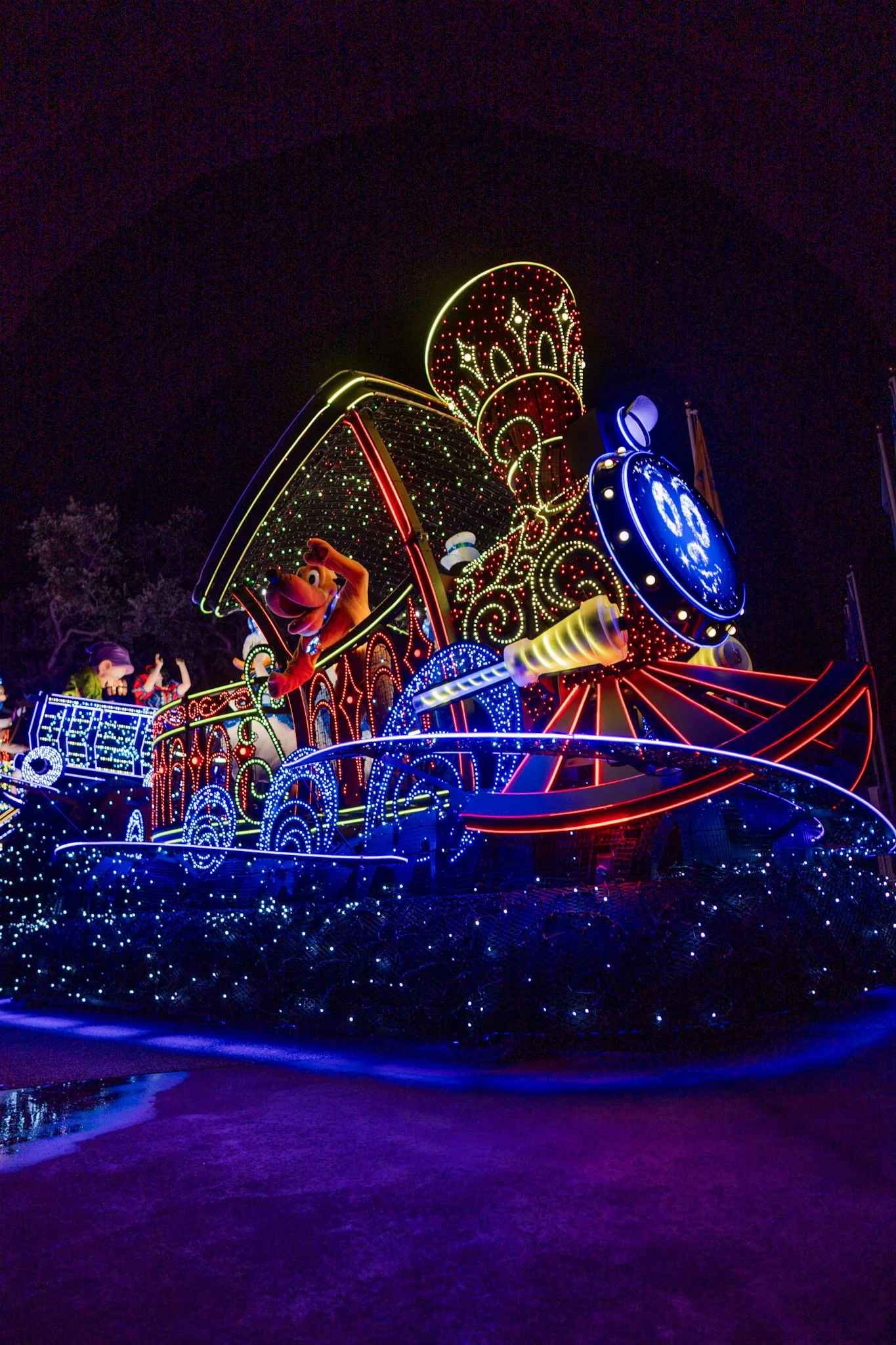
If your family includes neurodivergence, anxiety, chronic illness, mobility limitations, food allergies, or simply lower energy thresholds, you already know this: stimulation adds up.
That doesn’t mean you can’t do Disney. It doesn’t mean you can’t cruise. It doesn’t mean you can’t travel internationally.
It just means you plan differently.
You build in recovery time.
You choose resort locations strategically.
You request accommodations ahead of time.
You space out high-stimulation days.
You simplify dining.
You protect mornings or evenings for decompression.
It’s all about making sure you can actually enjoy your experience.
When we plan with sensory awareness in mind, we’re making making magic sustainable.
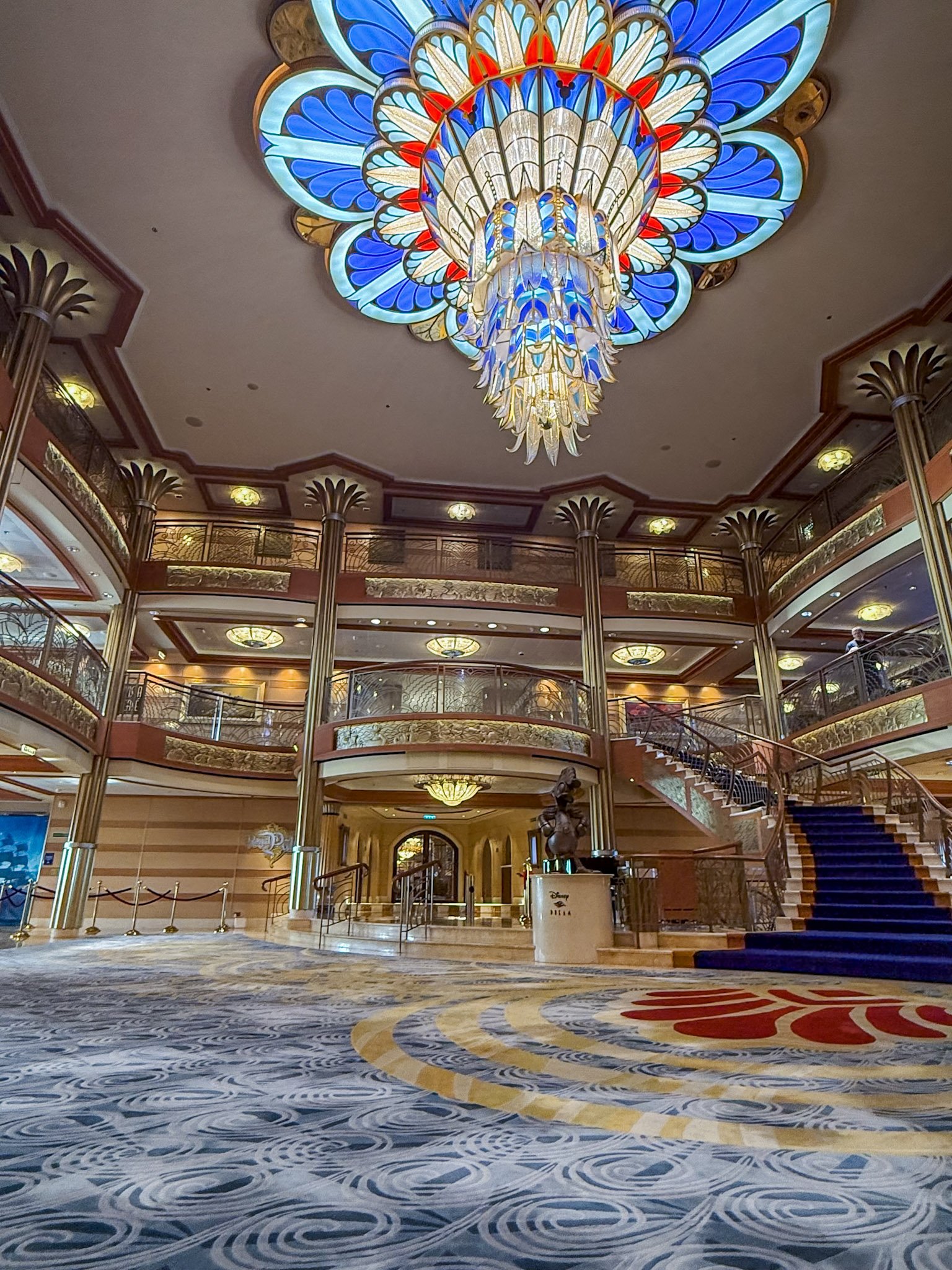
Know Your Crowd Tolerance (Be Honest Here)
Crowds are one of the biggest factors in how a trip feels.
Some families are energized by busy environments. They feed off it. They don’t mind navigating lines and movement.
Others find crowds draining within hours.
Before choosing travel dates, park days, or excursions, ask yourself:
How long can we realistically handle peak energy before someone hits their limit?

If your answer is “not long,” that doesn’t mean you shouldn’t go during summer or spring break. It means you plan for it.
Early mornings before peak heat.
Midday hotel breaks.
Lightning Lane strategies that reduce waiting.
Private transfers instead of packed buses.
Fewer but more intentional excursions on cruises.
Rest days built into European itineraries.
Crowd tolerance isn’t about bravery.
It’s about capacity.
When you plan for your capacity instead of pushing through it, everything softens.

Routines vs. Spontaneity: Which One Grounds You?
Some families feel calm when there’s structure.
They like knowing what time dinner is. They want rides reserved. They prefer clear expectations for each day.
Other families feel boxed in by too much scheduling.
They want room to pivot. They don’t want every hour spoken for. They’d rather follow the mood of the group.
This matters more than people realize.
For routine-loving families, lack of structure creates anxiety. Too many decisions in the moment can feel overwhelming.
For spontaneous families, too much structure feels restrictive. They start to resent their own itinerary.

So what does this look like in real planning?
At Disney, it might mean pre-booking dining and mapping out park flow — but leaving afternoons open.
On a cruise, it could mean choosing just one key excursion and keeping the rest flexible.
On an international trip, it might look like guided tours in the mornings and open exploration in the afternoons.
At an all-inclusive, it might mean dinner reservations secured — but zero pressure to attend every activity.
The key is choosing amount of structure and spontaneity that fits your family.
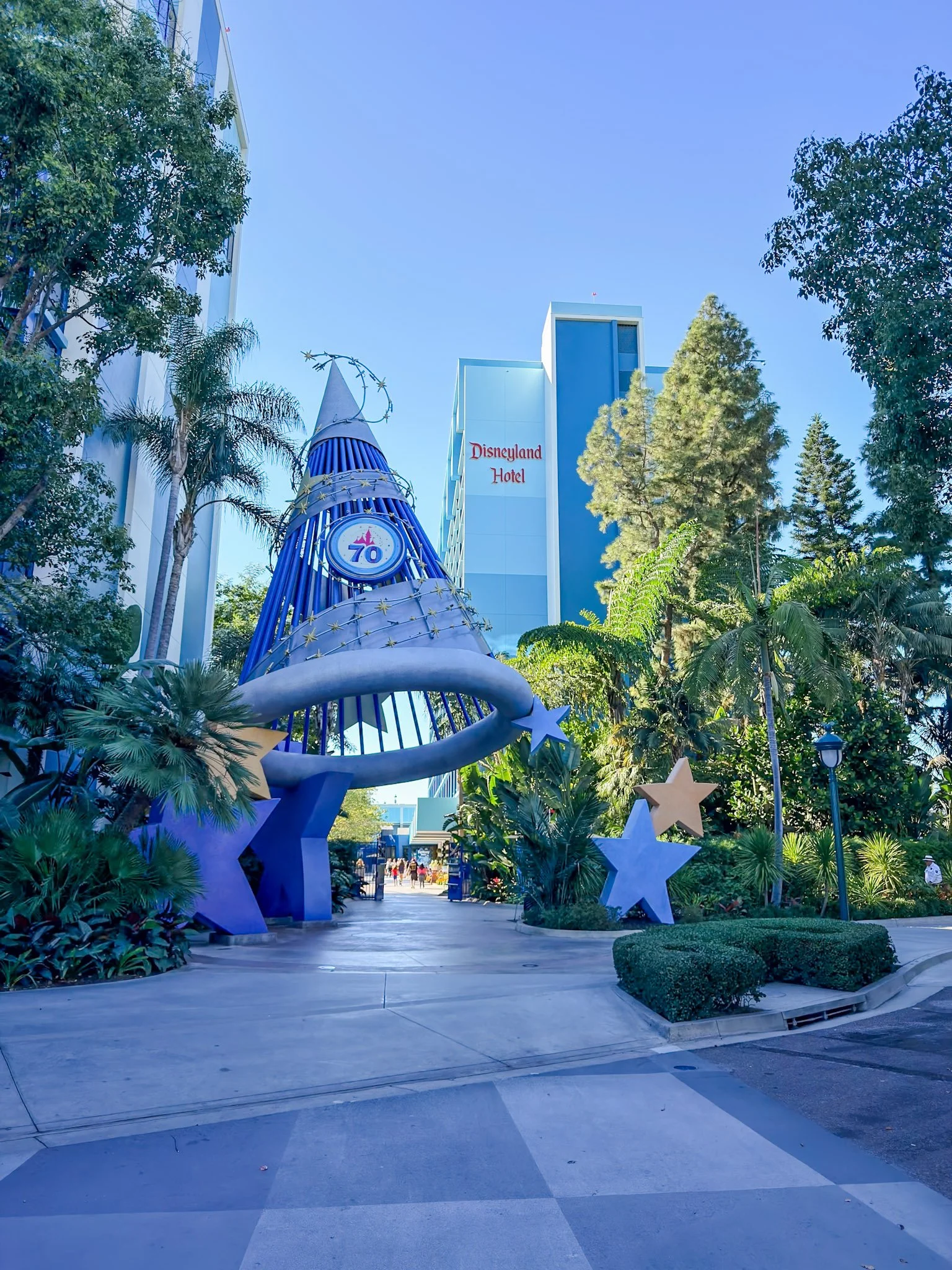
Accessibility & Medical Planning: Quiet Confidence
This is where thoughtful planning becomes non-negotiable.
If your family manages food allergies, mobility devices, autism, anxiety, medical needs, or any accessibility considerations — the goal isn’t to make those disappear on vacation.
The goal is to plan for them proactively.
At Disney, that may mean understanding Disability Access Service (DAS), ride transfer options, or knowing which restaurants handle allergies exceptionally well.
On a cruise, it could mean selecting the right ship layout, confirming medical refrigeration, or spacing out port days.
Internationally, it might involve choosing centrally located hotels to minimize transportation fatigue or planning tours that match mobility needs.
These details don’t make your trip complicated.
Ignoring them does.
When accessibility is built into the plan from the beginning, you move through your vacation with confidence instead of constantly troubleshooting.

Planning Around Real Life (Not Idealized Life)
One of the biggest mistakes families make is planning for their best-case energy.
They imagine everyone at 100% stamina every day.
But real life doesn’t work that way.
Kids get hungry. Teens get overstimulated. Adults hit their limit. Flights get delayed.
Planning around your real life means building margin.
It means adding a rest day on a longer trip. It means not stacking your most intense park days back to back. It means choosing fewer cities in Europe. It means accepting that not every excursion is necessary.
It means protecting the people over the checklist.
This Is Where Expertise Matters
Planning around your family’s real needs is about making travel smarter.
This is where experience matters. Knowing how sensory load works inside a theme park. Understanding how cruise itineraries flow. Recognizing when an all-inclusive property might be too high-energy for a specific family. Anticipating the logistics of international travel before they become stressors.
Our job isn’t to make your trip look impressive.
It’s to make it feel good while you’re in it.
Because the right destination is only half the equation.
The right pacing — the right structure — the right support — that’s what transforms a vacation from overwhelming to aligned. If this sounds like something you don’t want to do alone, click the link below to get connected with one of our travel advisors.