A Calmer Way to Do Disney: Planning a Sensory-Friendly Family Vacation
For many families, the idea of a Disney vacation feels equal parts exciting and overwhelming — especially when sensory needs, big emotions, or neurodivergence are part of everyday life.
As both a parent and a travel advisor specializing in Disney vacations, I want you to know this first:
You don’t need a “perfect” plan to have a magical trip.
You need a supportive one.
Disney is full of incredible experiences — but it’s also full of stimulation. Lights, sounds, crowds, transitions, waiting, and schedule changes can quickly overload a child’s nervous system (and let’s be honest — adults too).
With thoughtful planning, flexibility, and the right tools, Disney can be a place where neurodivergent families thrive.
Here’s how I help families plan calmer, more successful Disney vacations — and how we approach travel in our own neurodivergent household.
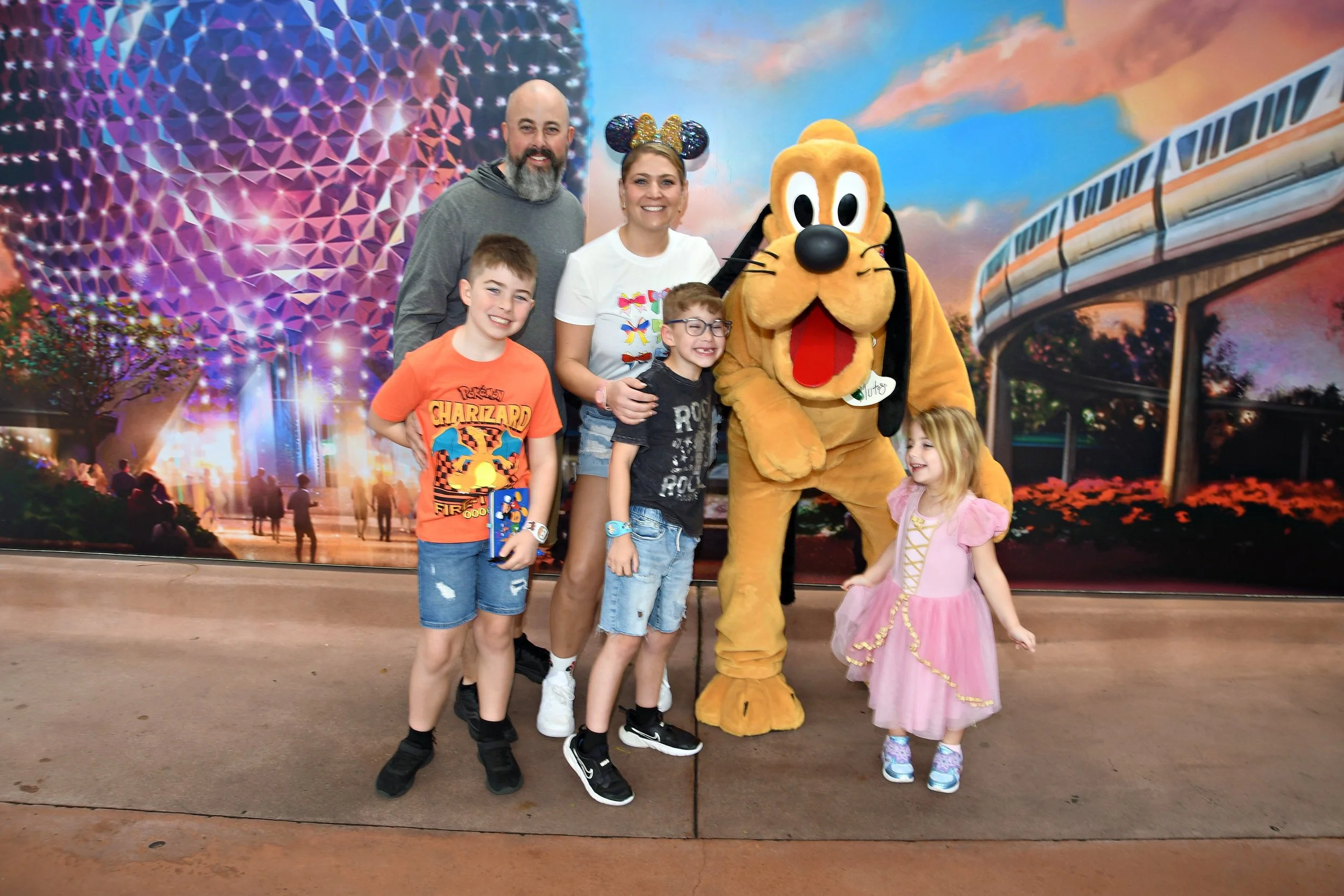
Set Clear Expectations Before You Go
One of the biggest keys to a smoother trip is talking about it before you arrive.
We go over:
• What each day will generally look like
• What we’re excited about
• What might feel hard
• And what we’ll do if the plan needs to change
Kids often feel safer when they know the adults are in control — not rigid, but prepared. Reassuring them that their wants are heard and that flexibility is built in can lower anxiety before it even shows up.
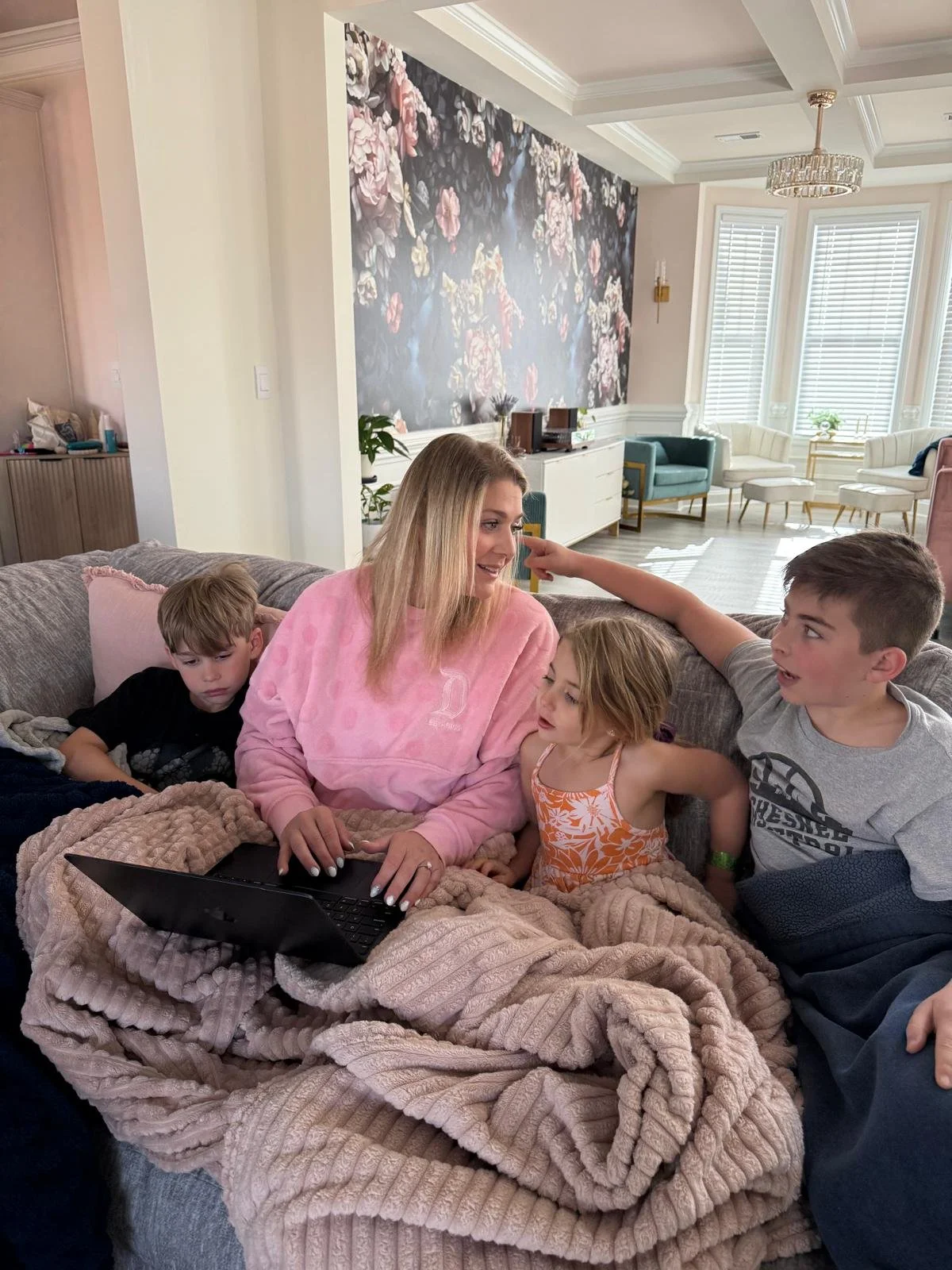
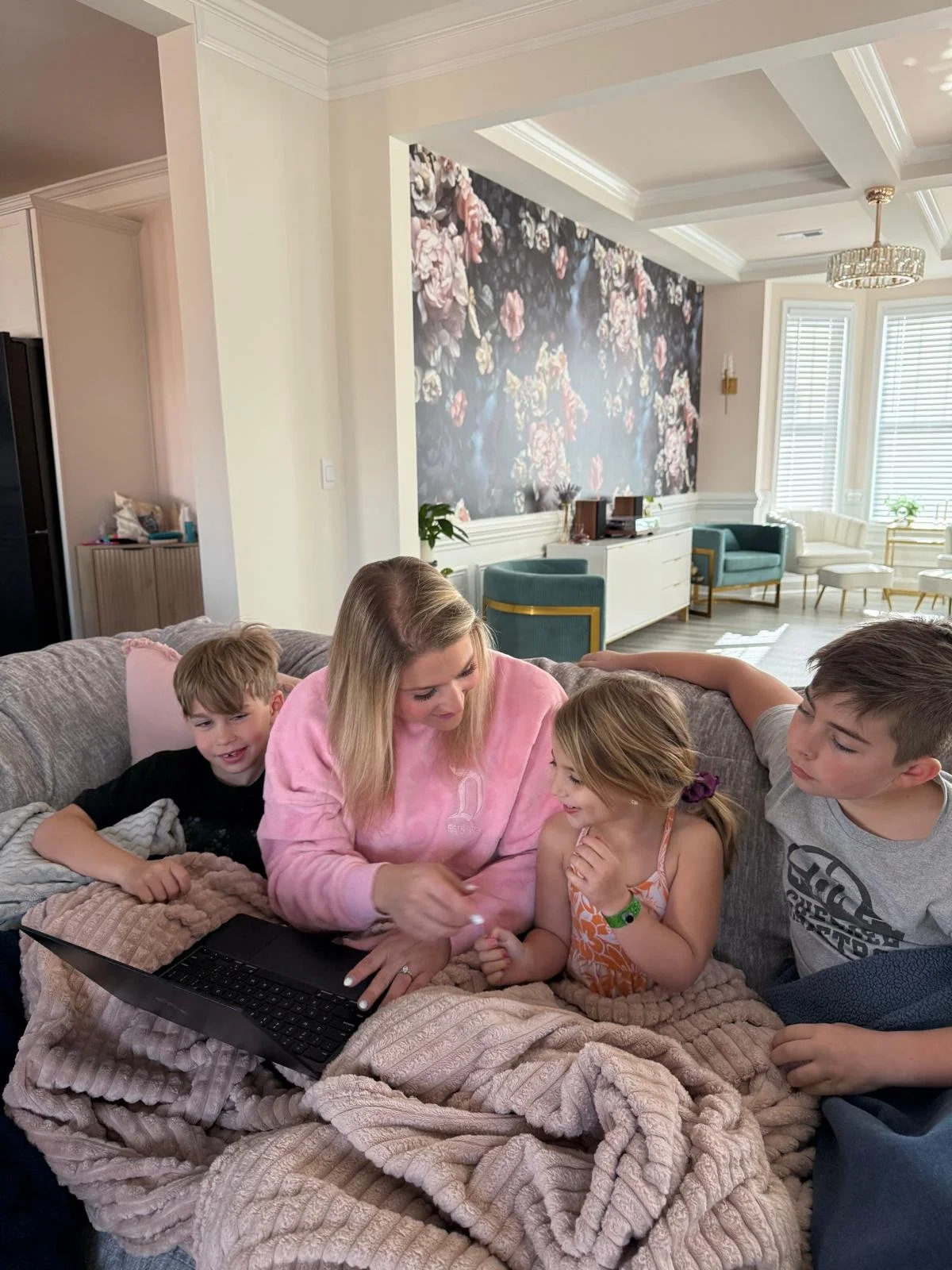
Preparation Reduces Anxiety
Surprises aren’t always magical — especially for kids who do better with predictability.
I strongly encourage families to use:
• Ride POV videos
• Park walkthroughs
• Resort room tours
• Visual schedules or social stories
When kids can see what’s coming, they’re not working overtime trying to interpret the unknown. Preparation doesn’t remove the magic — it creates the safety needed to enjoy it.
Snacks Are a Sensory Tool
Hunger and sensory overload often go hand in hand.
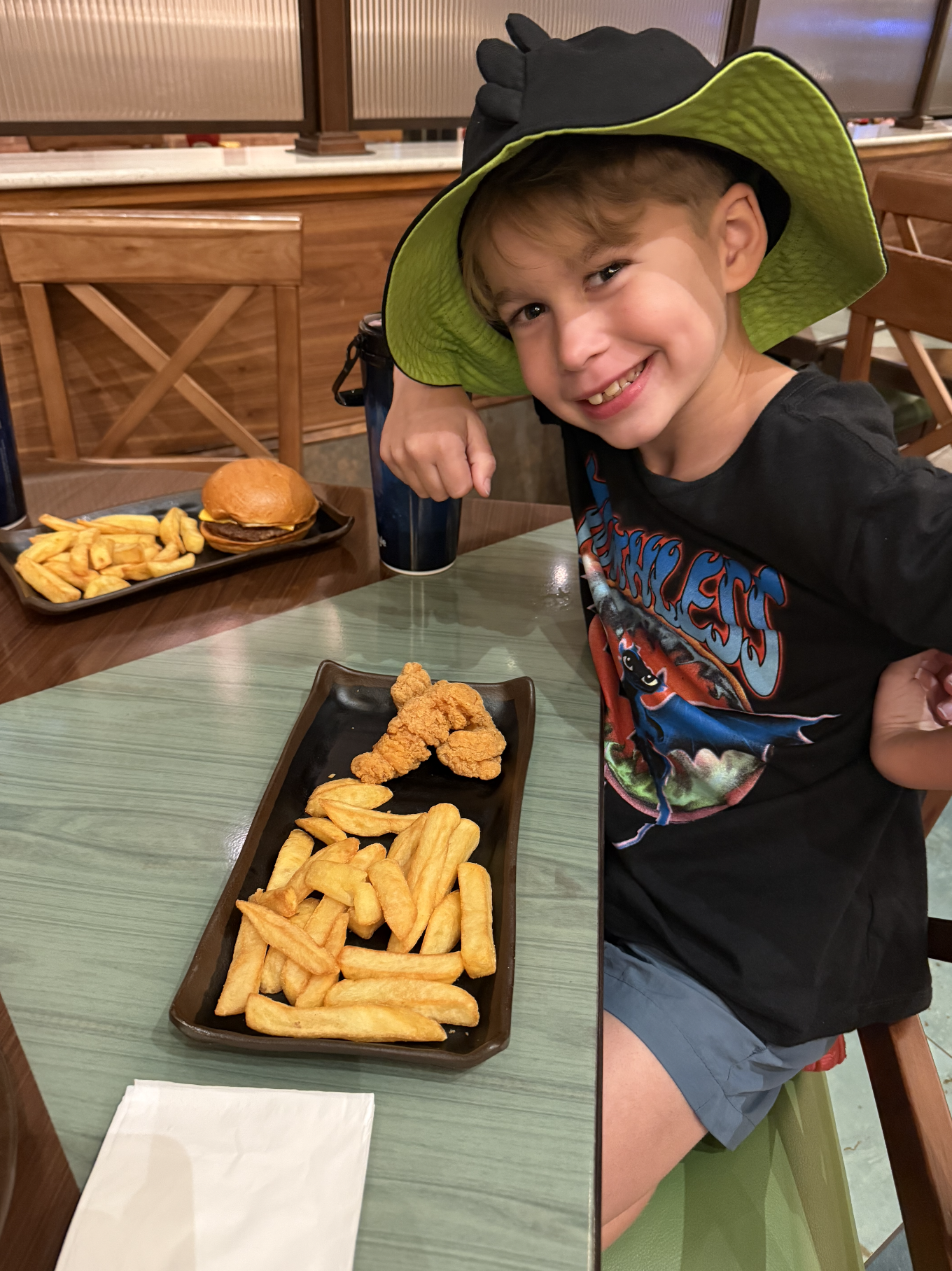
On park days, mealtimes don’t always follow a normal routine — and that’s okay. Packing preferred snacks and familiar foods can prevent small discomforts from turning into big moments.
Having something on hand to regulate energy and emotions can make a huge difference.
Plan for Sensory Support — Not Perfection
Disney is designed to stimulate the senses, so the goal isn’t to avoid stimulation entirely — it’s to support regulation.
Helpful tools may include:
• Noise-reducing or noise-canceling headphones
• Sensory breaks in a stroller or quiet area
• Comfort items you already know work for your child
Using these supports isn’t “giving in.” It’s meeting your child where they are.
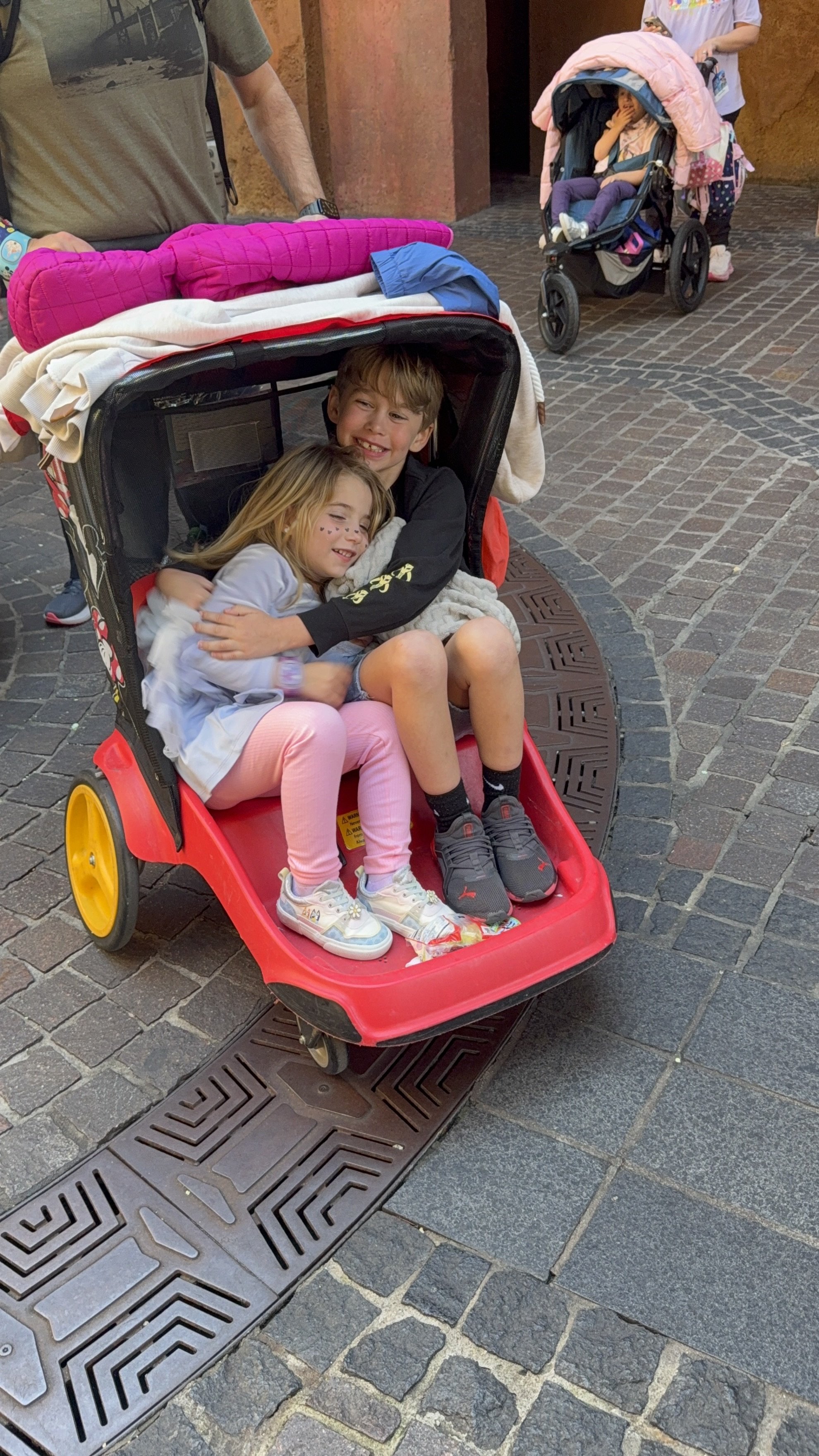
Simplify the Plan to Avoid Overstimulation
One strategy that works especially well for many families is limiting transitions.
For example:
• Doing one park per day instead of park hopping
• Spending longer stretches in one area
• Avoiding constant back-and-forth movement
Frequent transitions and changing environments can overload the nervous system quickly. A simpler plan often leads to calmer kids — and more enjoyable days.
Set Souvenir Expectations Early
Disney stores are incredibly stimulating and tempting.
Before the trip, we:
• Set clear expectations around souvenirs
• Establish a budget
• Talk about waiting before deciding
Knowing what to expect ahead of time reduces decision fatigue and emotional overload — and yes, meltdowns may still happen, but they’re far less intense when expectations are clear.
Advocate for Your Family
You know your child best.
Advocating for your family — at rides, restaurants, transportation, or hotels — creates smoother transitions and better experiences. Disney offers tools and flexibility, but families need guidance on how and when to use them.
That’s where specialized planning matters.
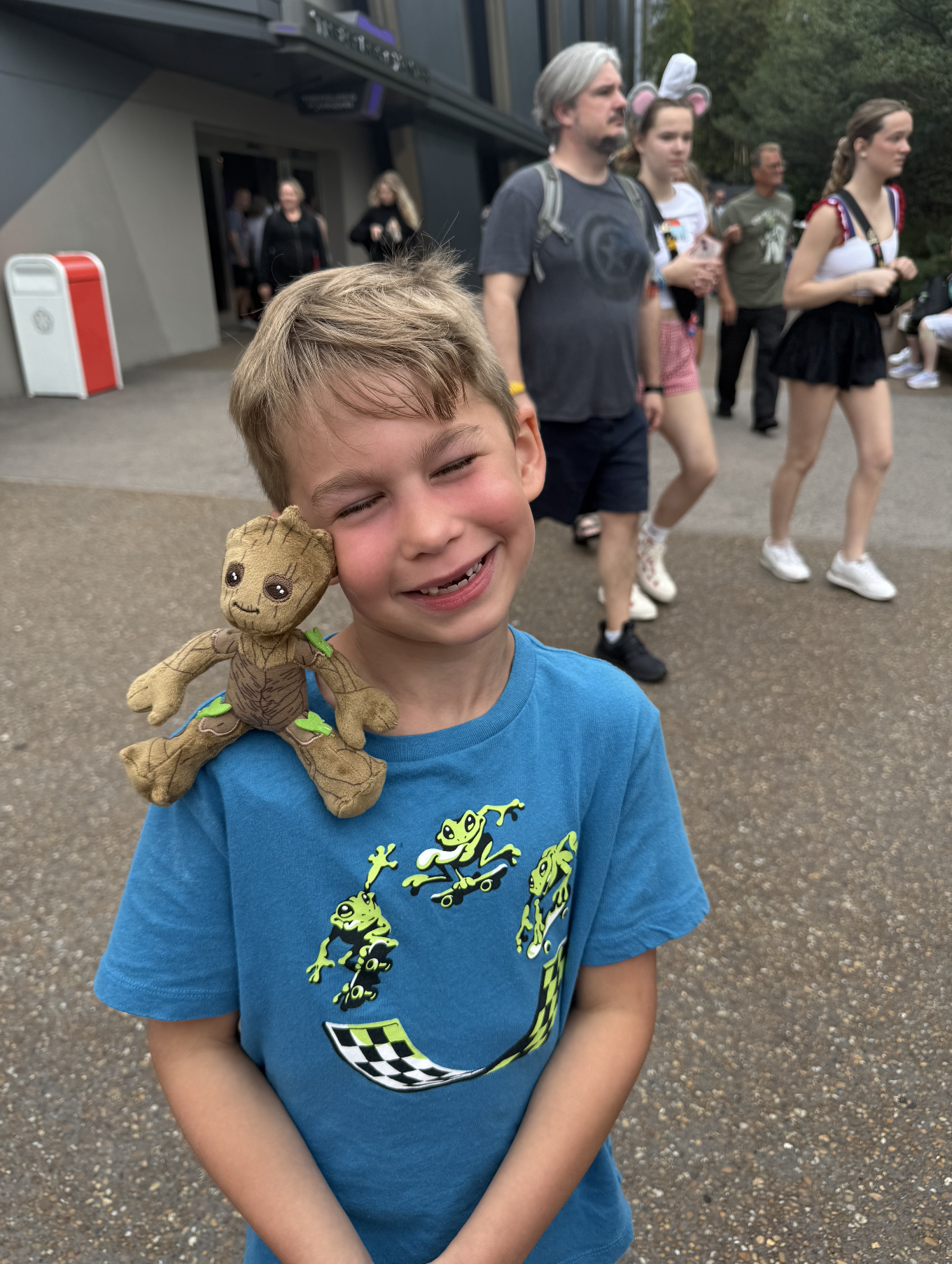
Build Rest Days Into the Trip
Rest days are not wasted days.
Doing parks back-to-back can quickly lead to exhaustion and sensory overload. A rest day allows everyone to reset, enjoy resort amenities, and reconnect without pressure.
Often, rest days are what make the entire trip feel successful.
The Real Goal of a Family Disney Vacation
A great Disney trip doesn’t mean everyone is happy all the time.
It means your family feels supported — even when things are hard.
Our family is openly neurodivergent, and Disney has taught us how powerful it can be to slow down, celebrate small wins, and stay flexible. Some moments are challenging. Some plans change. And still — the magic shows up.
Because magic isn’t perfection.
It’s connection.
How I Help Families Like Yours
I specialize in planning Disney vacations for families with sensory needs, neurodivergent children, and parents who want a calmer, more supportive experience — without sacrificing the fun.
From pacing and park strategy to sensory-friendly planning tools, I help families feel confident, prepared, and understood before they ever arrive.
If you’re wondering whether Disney can work for your family — I’d love to help you plan a trip that truly supports you. Click the link below to get connected.