Ever notice how one family calls a trip “perfect” while another says it was exhausting?
It might be easy to point fingers and say it was the wrong destination. Maybe Disney was “too much.” Maybe the cruise felt “too busy.” Maybe Europe was “too overwhelming.” Maybe the all-inclusive felt “boring.”
But in reality, it usually comes down to the planning.
Families are unique — and no vacation destination is meant to be experienced the exact same way by every single person. The “perfect itinerary” for one group could be the worst nightmare for another. A port-heavy cruise that feels exciting to one family might feel nonstop to another. A jam-packed park day might be thrilling for some and completely draining for others.
Most vacation stress happens when families try to travel in a way that doesn’t match their natural pace.
That’s why it’s so important to find YOUR family’s flow.
After over a decade of planning travel for hundreds of families — from theme parks to Caribbean cruises to European adventures and luxury all-inclusives — we’ve learned something important: the same patterns show up again and again.
Picture this.
We have two families traveling to Walt Disney World. One family has teens. They want thrills. They want rope drop. They want to go ride to ride and squeeze every ounce out of the day.
The second family has younger kids and grandparents along. They love rides too, but their pace looks different. They need breaks. They move slower. Energy dips hit earlier.
Both families found a “steal my itinerary” strategy online designed to hit the maximum number of rides at Magic Kingdom.
After their vacation, one family came home glowing — talking about everything they accomplished.
The other came home feeling like they needed a vacation from their vacation.
Can you guess which was which?
And here’s the thing — this doesn’t just happen at Disney. It happens on cruises when families book every excursion in every port. It happens in Europe when travelers try to see five cities in seven days. It happens at all-inclusives when people overschedule activities instead of enjoying the beach.
This is what we specialize in helping our clients navigate.
Finding your travel style has to come before building the logistics.
Over time, we’ve noticed that most families fall into a few distinct vacation rhythms.

What Is a “Vacation Rhythm”?
Like we mentioned earlier, no two families are alike, which means every vacation is going to feel different in how travelers move throughout their day.
Your rhythm shows up in:
How early you naturally wake up
How much structure you like
How much downtime you need
How you handle crowds, stimulation, or decision-making
How much you want to see versus how deeply you want to experience
This impacts everything.
Your park strategy.
Your cruise excursion schedule.
Your dining reservations.
Your break structure.
Even your resort choice.
There’s nothing that says you can’t “maximize” your time. But maximizing means something different depending on what your family values most.
There is no “best” rhythm — only the one that works for you.
But first, we have to identify what that is.
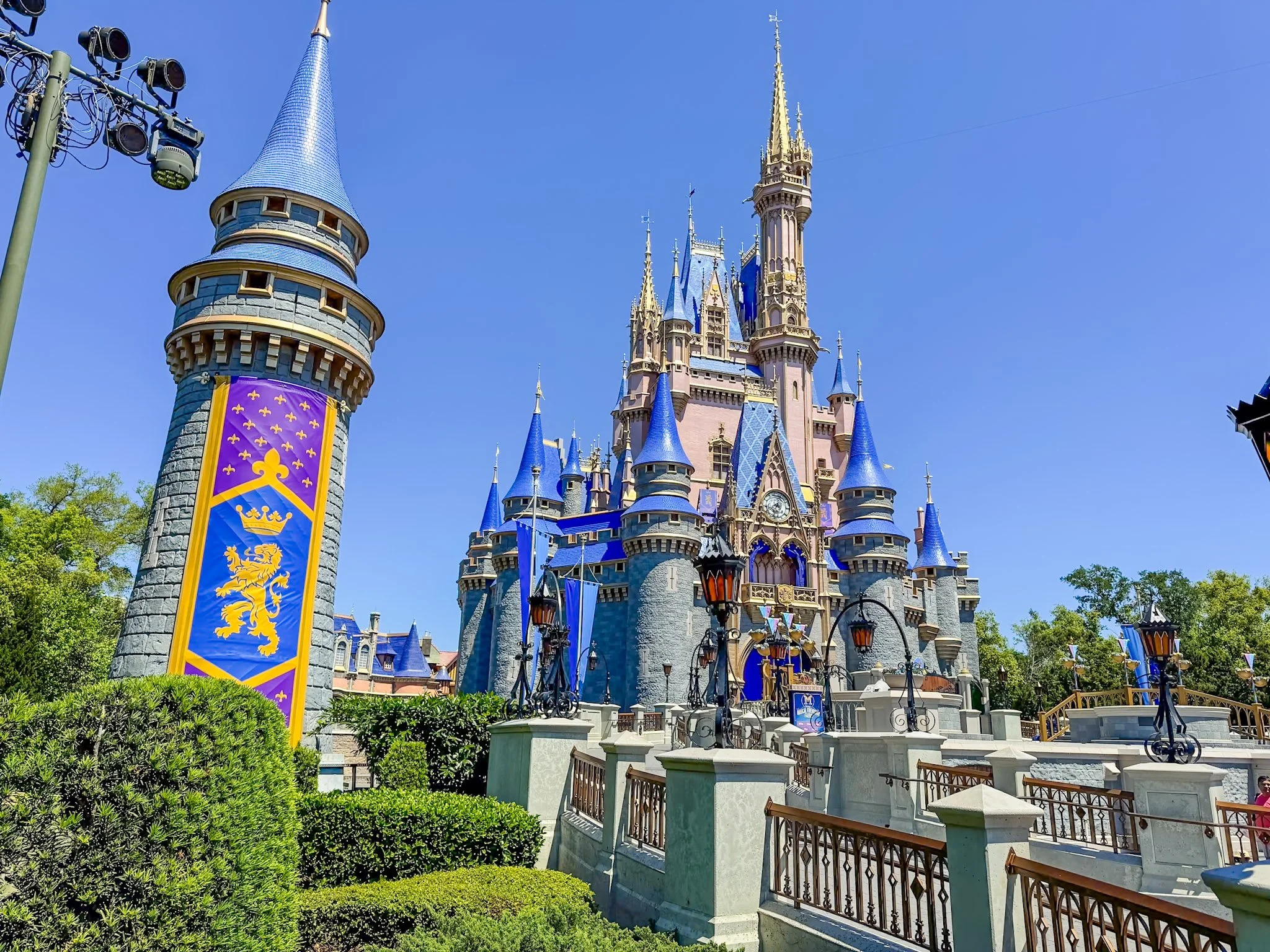
The 4 Core Vacation Rhythms
1. Slow & Steady Families
These families travel to relax and recharge.
They aren’t racing the clock. They aren’t chasing every reservation window. They’re the ones who say, “Rope drop? Why would we do that?” and genuinely mean it. They prefer slow mornings, coffee on the balcony, and easing into their day.
They plan for presence over productivity.
This might look like:
Sleeping in and starting later
Prioritizing one or two highlights per day
Long, leisurely meals
Midday pool breaks
Choosing longer stays to spread activities out
These families are incredibly intentional about protecting their energy.
They thrive when there’s less burnout and more breathing room. When they can fully experience what they’re doing instead of rushing to the next thing. When their trip feels spacious instead of packed.
Where it can go wrong is when they feel pressured to “maximize” every minute. When they overpack their schedule to keep up with faster-paced travelers. Or when they compare themselves to the rope-drop crowd and start questioning their approach.
But Slow & Steady doesn’t mean boring.
It means meaningful.
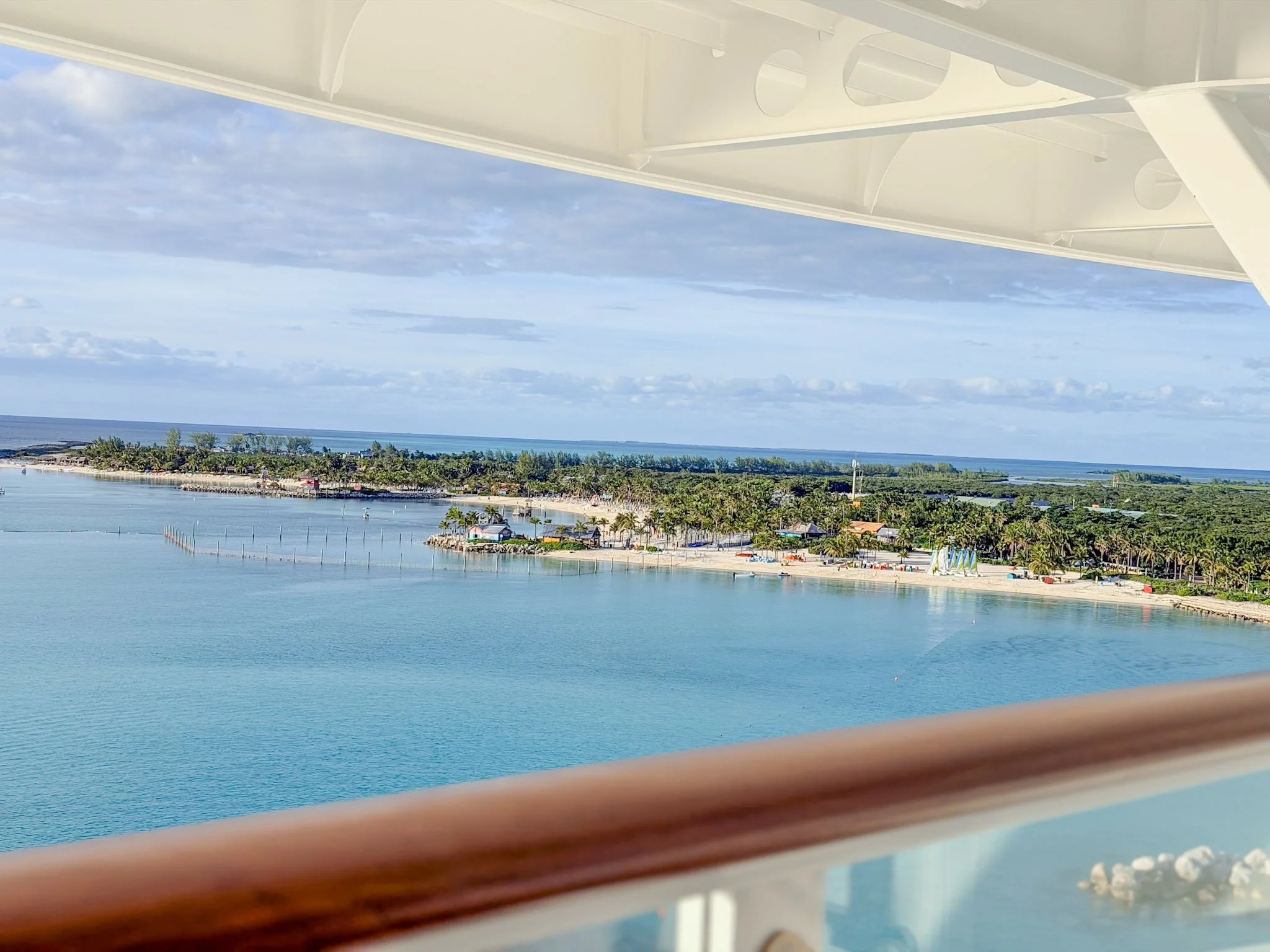
2. Structured Explorers
These families feel calm when there’s a plan.
They love knowing what’s coming next. They enjoy booking dining reservations, mapping out park days, and organizing excursions. For them, preparation isn’t stressful — it’s reassuring.
They don’t want to guess their way through vacation.
This might look like:
Detailed daily itineraries
Pre-booked dining and activities
Strategic Lightning Lane planning
Clear transportation plans
Researching excursions before cruising
These families are confident decision-makers.
They thrive when the details are handled and expectations are clear. They rarely worry about missing priorities because everything important is already built into the schedule. Efficiency gives them peace of mind.
Where it can go wrong is when they cram too much into one day. When they don’t leave room for flexibility. Or when an unexpected change throws off the entire plan and creates unnecessary stress.
Structure isn’t rigid.
When done well, it’s freeing.

3. Flexible Wanderers
These families like direction — but not a script.
They may have a loose outline, but they’d rather make decisions in the moment. They follow their energy. They pivot when crowds spike. They lean into what feels fun that day instead of forcing what was “supposed” to happen.
They want room to explore.
This might look like:
Booking only a few key reservations
Leaving open mornings or afternoons
Choosing excursions based on how everyone feels
Changing parks or plans mid-day
Balancing thrill rides with pool or beach time
These families are adaptable and intuitive travelers.
They thrive on discovery. They don’t put heavy pressure on themselves to see and do everything. They’re often the ones who stumble into unexpected magic because they left space for it.
Where it can go wrong is when too many decisions have to be made on the fly. Or when they underestimate how much prep certain destinations require — like theme parks with reservation systems or cruises with limited excursion availability.
Flexibility works beautifully — when it’s supported by just enough structure underneath.

4. Sensory-Smart / Energy-Protective Families
These families travel with intention because they have to.
They plan around overstimulation, mobility needs, anxiety, chronic illness, neurodivergence, medical considerations — or simply lower energy thresholds. They build in quiet spaces. They know where the exits are. They prioritize comfort and predictability.
This might look like:
Scheduling late starts
Choosing resorts close to transportation
Booking fewer excursions on a cruise
Planning recovery afternoons
Requesting accommodations ahead of time
Choosing destinations with less constant stimulation
These families are incredibly thoughtful travelers.
They thrive when expectations are clear, pacing is intentional, and everyone feels supported. They often experience fewer meltdowns — not because their trips are “easier,” but because they’ve proactively protected their energy.
Where it can go wrong is when they feel like they’re “doing too much” by asking for accommodations. Or when they skip planning ahead and then struggle to navigate accessibility once they arrive. Or when they follow itineraries built for high-intensity travelers and end up overwhelmed.
And this part is important:
This isn’t about limitation.
It’s about designing travel around reality.
When vacations reflect your real life instead of ignoring it, they feel exponentially better.
Why None of These Are “Better”
Social media tends to glamorize one type of traveler.
The rope drop family.
The city-hopping European itinerary.
The jam-packed cruise excursion schedule.
The “we did it all” highlight reel.
But that doesn’t mean that style is right for you.
Comparison creates unnecessary pressure. It makes families question whether they’re “doing it right.” It makes slower travelers feel lazy and high-energy travelers feel judged.
A trip only feels magical when it aligns with your family’s natural flow.
The “right” way to travel is the way that protects your energy — not the one that impresses the internet.
Our job is to build a plan that supports the one they already have.

How Identifying Your Rhythm Changes the Planning Process
Once we understand your rhythm, everything shifts.
We choose parks differently.
We recommend resorts differently.
We structure cruise days differently.
We pace European itineraries differently.
We adjust how many nights you actually need.
For example:
A Slow & Steady family may benefit from a longer stay with lighter daily schedules.
A Structured Explorer might love having dining and Lightning Lane strategies mapped out in advance.
A Flexible Wanderer may prefer fewer pre-booked commitments and more built-in freedom.
A Sensory-Smart family may prioritize proximity, quiet spaces, and intentional downtime over volume of activities.
This is where thoughtful planning becomes powerful, because it makes it aligned.
Not Sure Which Rhythm You Fall Into?
Most families are actually a blend.
You might be structured about dining, but flexible about rides. You might love adventure but need significant downtime to recharge.
It can be hard to clearly see your own patterns — especially when you’re influenced by what everyone else is doing.
The Bigger Picture
A relaxing vacation isn’t about doing less or doing more.
It’s about doing what fits.
The best trips aren’t the busiest. They’re the ones designed with intention.
When your travel style is honored, everything feels easier. Decisions feel clearer. Days feel lighter. Memories feel sweeter.
The magic isn’t in the itinerary.
It’s in the alignment.
If you are ready to make that next vacation a reality, don’t do it alone! We’d love to help get you connected with one of our Travel Advisors that can help with every step from deposit to departure! Just click the button below to get started!